
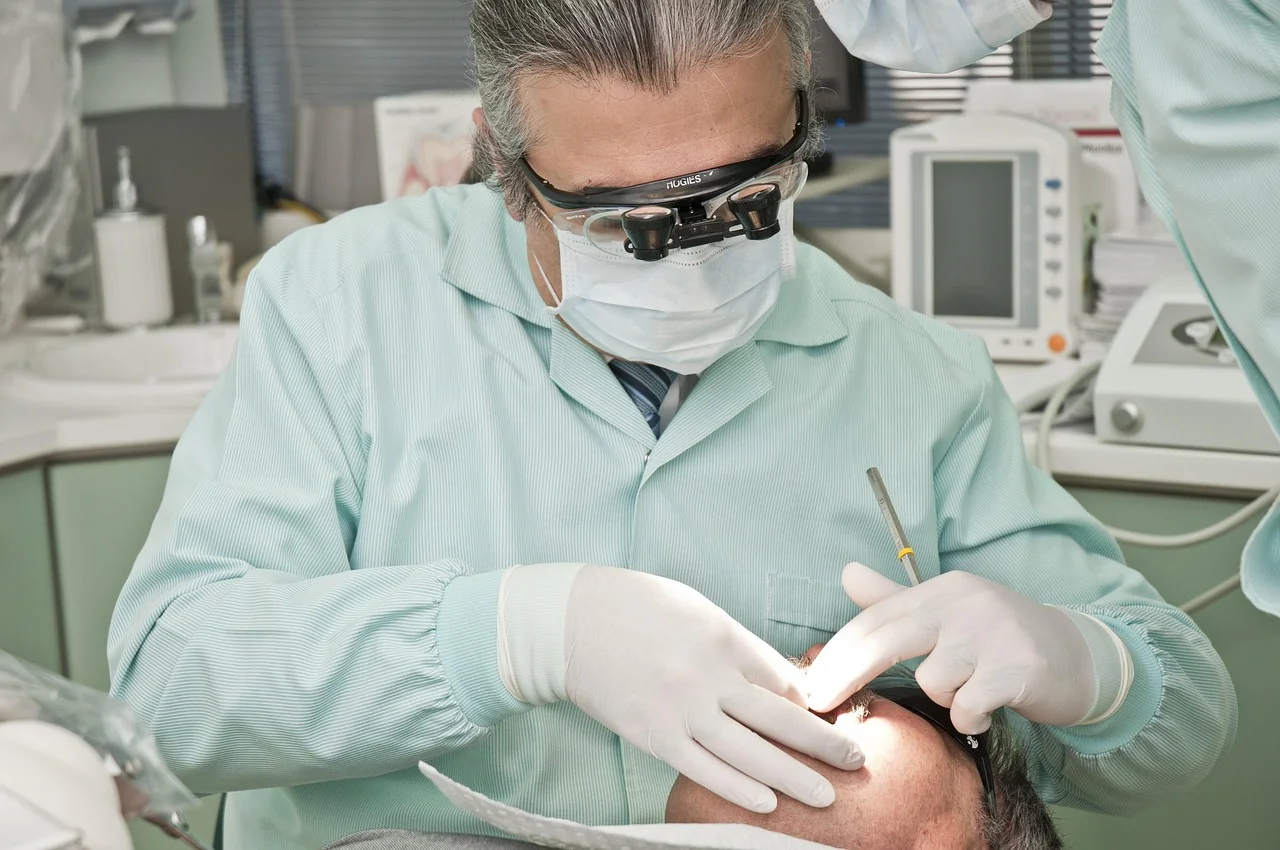
Polish doctors and dentists in the uk
Many Polish-trained clinicians work across the UK, bringing valuable skills and familiarity with EU-style medical education. Patients often appreciate bilingual communication and shared cultural understanding. For Polish professionals, the move offers access to diverse clinical settings and continuing professional development.
At the same time, working in the UK requires adapting to different systems, standards and expectations. That can mean extra exams, language checks and paperwork before seeing patients independently. Still, the overall impact is positive: more options for patients and career pathways for practitioners.
Qualifications and tests
To practise medicine or dentistry, clinicians must satisfy the General Medical Council (GMC) or General Dental Council (GDC). Proof of qualification is only the start.
Key hurdles include verified diplomas, English language tests (if needed), and sometimes additional clinical assessments. For doctors there’s the PLAB or equivalent recognised postgraduate qualifications; dentists face the GDC’s registration process and may need to pass the Overseas Registration Exam (ORE).
Timelines vary: some applicants complete requirements in months, others in a year or two depending on preparation, availability of exam slots and any need for supervised practice.
Services and modern techniques
Polish dentists in the UK often practice a wide range of treatments—from routine care to advanced endodontics. One standout area is the increasing use of microscope root canal therapy, which improves accuracy and outcomes for complex cases.
- Microscope-assisted root canals for precision
- Invisible braces and aligners for cosmetic alignment
- Implants, aesthetic restorations and digital scans
Invisible braces have become especially popular with younger adults who want discreet treatment. Combining clear aligner systems with digital workflow speeds up planning and improves predictability. Patients should ask about experience, expected timeline and follow-up care when selecting a clinic.
Registration and recognition
Understanding the paperwork helps avoid surprises. The GDC or GMC will request certified documents, translations if necessary, and may require references from trainers or employers.
| Step | Typical requirement | Approximate time |
|---|---|---|
| Qualification verification | Certificates, transcripts | 2–8 weeks |
| Language and exams | IELTS/OET, PLAB/ORE | 3–12 months |
| Registration decision | GMC/GDC checks, ID | 2–6 weeks |
Some clinicians choose supervised or foundation posts first to build familiarity with NHS systems. Others go into private practice if they meet regulatory standards. Either route benefits from mentorship and peer networks within Polish medical communities in the UK.
Finding care and what to expect
If you are looking for a Polish-speaking clinician or dentist, do check verified profiles, patient reviews and registration numbers. Good clinics display their GDC or GMC details and explain fees and NHS/private distinctions clearly.
For example, if you need a local dental practice with Polish staff you might search for a specialist provider such as dentysta bury st edmunds. That kind of search can help you find bilingual teams offering modern treatments like microscope root canals or invisible braces.
When you book, expect an initial assessment, possible imaging, and a clear treatment plan. Ask about costs, alternatives and guarantees for private work. Also confirm follow-up arrangements—especially important after complex procedures such as endodontic retreatments or implant placement.
Can Polish dentists practise in the uk?
Yes, provided they complete the GDC registration process, submit verified qualifications and meet any exam and language requirements.
What is a microscope root canal?
It is an endodontic procedure performed using a dental microscope to enhance visibility and precision, improving chances of success in complicated anatomy.
Are invisible braces effective?
For many mild to moderate alignment issues, clear aligners are effective and more discreet than traditional braces; suitability must be assessed by a clinician.