
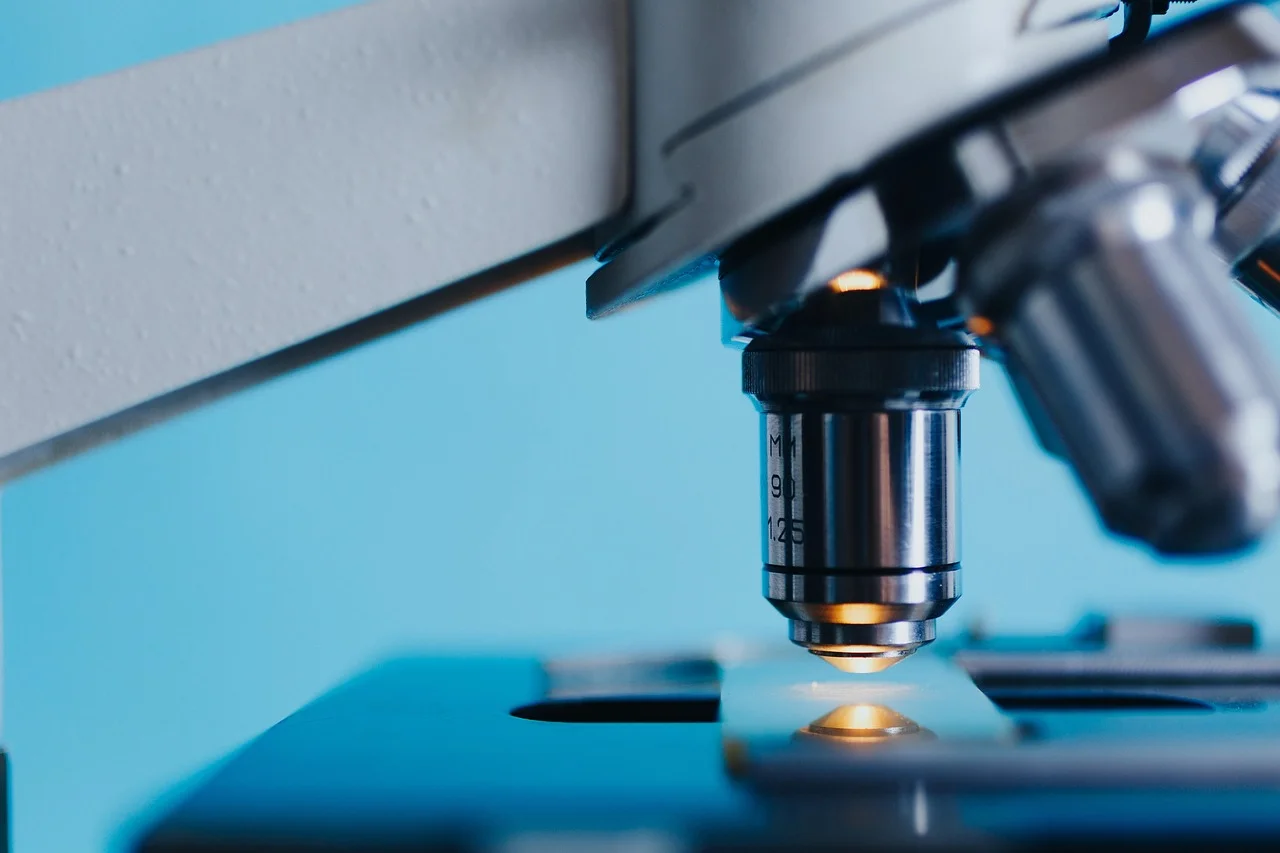
What is microscope-assisted root canal?
Microscope-assisted root canal is a modern endodontic technique where a high-powered dental microscope is used to view the inside of a tooth in far greater detail than with the naked eye. This precision helps the dentist find additional canals, detect tiny fractures, and clean and shape the root system more thoroughly.
For patients, that typically means a higher chance of saving the natural tooth, fewer complications, and potentially longer-lasting results compared with traditional root canal work.
Why this matters for Polish patients in peterborough
Polish patients living in Peterborough often look for clinics that combine technical quality with clear communication. A microscope-equipped practice can be an important indicator of advanced care. Many Polish speakers search online using Polish terms; for example, some will look for leczenie kanałowe pod mikroskopem when checking clinics and services.
Beyond tech, practical concerns matter: language support, appointment flexibility, and trust. Polish community groups in the city can be a good source of recommendations and real-life feedback about local dentists.
Costs and factors that influence price
Price for a microscope-assisted root canal in Peterborough varies. Factors include the tooth type (front teeth are usually cheaper than molars), how complex the anatomy is, whether a specialist is needed, and whether the clinic uses additional imaging like CBCT scans.
| Provider type | Typical cost (GBP) | Notes |
|---|---|---|
| General dentist (private) | £300–£600 | May use microscopes occasionally; prices vary |
| Endodontic specialist | £500–£1,200 | More complex cases and higher success rates |
| NHS treatment | Band 2 (~£70) | Limited access to microscopes; availability varies |
Remember that follow-ups, restorations (crowns), and possible retreatments add to the total cost. Getting a written treatment plan helps avoid surprises.
The treatment journey and what to expect
A typical microscope-assisted root canal appointment starts with a clinical assessment and imaging. The dentist will isolate the tooth, access the pulp chamber, and then use the microscope to locate all canals.
Treatment may take one or more visits, depending on infection and complexity. Expect local anesthesia, some drilling, and irrigations to disinfect the canals. The dentist then fills and seals the root system before a temporary or permanent restoration is placed.
- Aftercare includes avoiding chewing on the treated tooth until fully restored.
- Mild soreness is normal for a few days; the dentist can advise pain relief and antibiotics if needed.
How to choose a clinic in peterborough
Look for clinics that clearly list microscope use and show before-and-after information or patient testimonials. Ask about the clinician’s endodontic training and how often they perform microscope-assisted procedures.
Practical tips: confirm costs upfront, check whether translation help is available if you prefer Polish, and ask how follow-up care is handled. Booking a consultation to meet the team can help you feel more confident.
Is microscope-assisted root canal significantly more successful?
Yes, the microscope improves visibility and can increase success rates, especially in complicated anatomy, but success also depends on infection status and overall tooth restoration.
Will the procedure be painful?
Most patients report minimal pain during the procedure due to local anesthesia. Some discomfort afterward is normal and usually controlled with over-the-counter painkillers.
Can I use NHS services or only private clinics?
NHS availability of microscope-assisted treatment is limited. You can access basic root canal treatment on the NHS, but for microscope-assisted care you may need to choose a private provider or specialist clinic.
How long does a treated tooth last?
With good restoration (often a crown) and oral hygiene, a root-treated tooth can last many years or even a lifetime. Regular dental check-ups help spot issues early.